
Humen, Dongguan · custom manufacturing program
Launch your first collection with Yinuo Apparel, a low-MOQ clothing manufacturer in Humen, Dongguan, China. Explore 20–100-piece production routes with your own fit, artwork and labels. Start from photos or sketches with free basic tech-pack guidance, then approve a sample before bulk.
Reference photos welcome. No account or payment needed to request a quote. Your quotation confirms the final specification and schedule.
Discuss this program on WhatsApp
From garment reference to your own label
Start your first collection with a defined style
Use these garment references to plan one focused first run. Compare the style-specific quantity route before splitting your order across colors or designs.
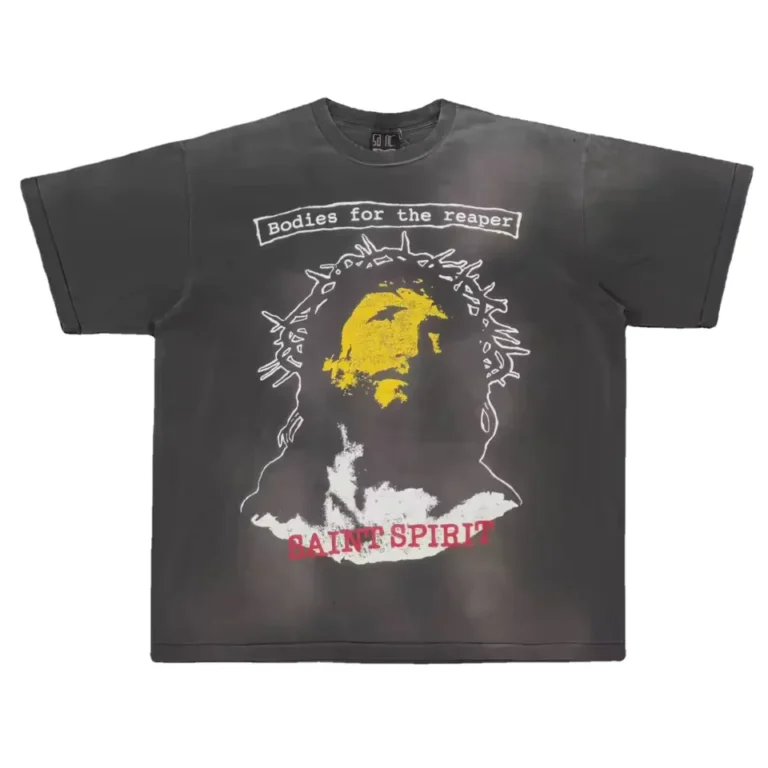
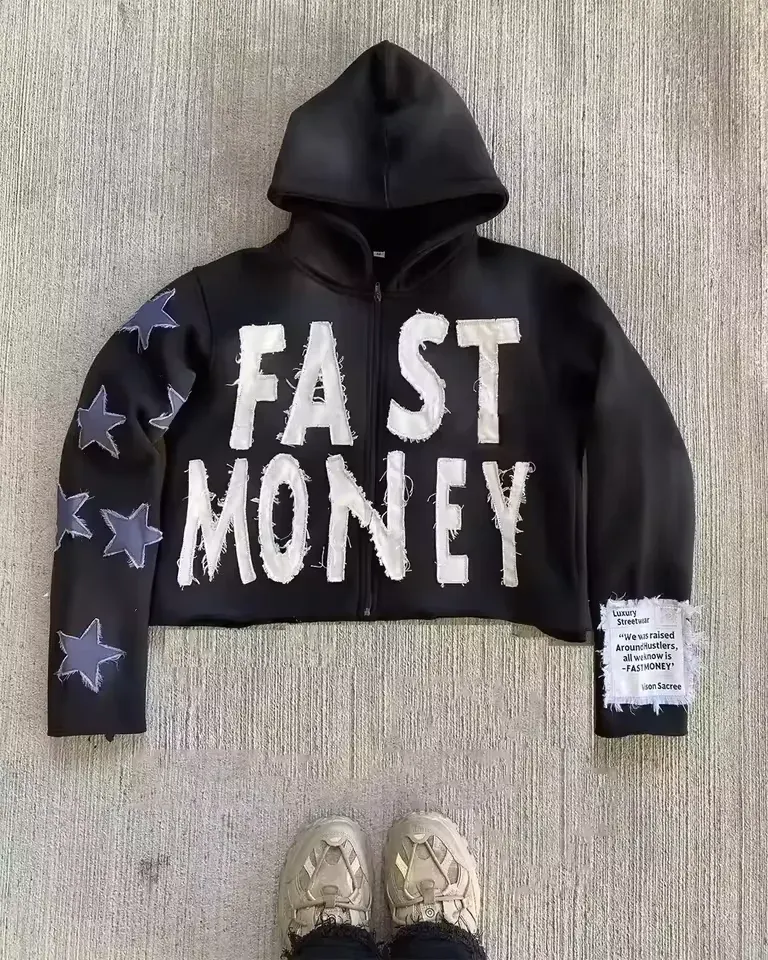
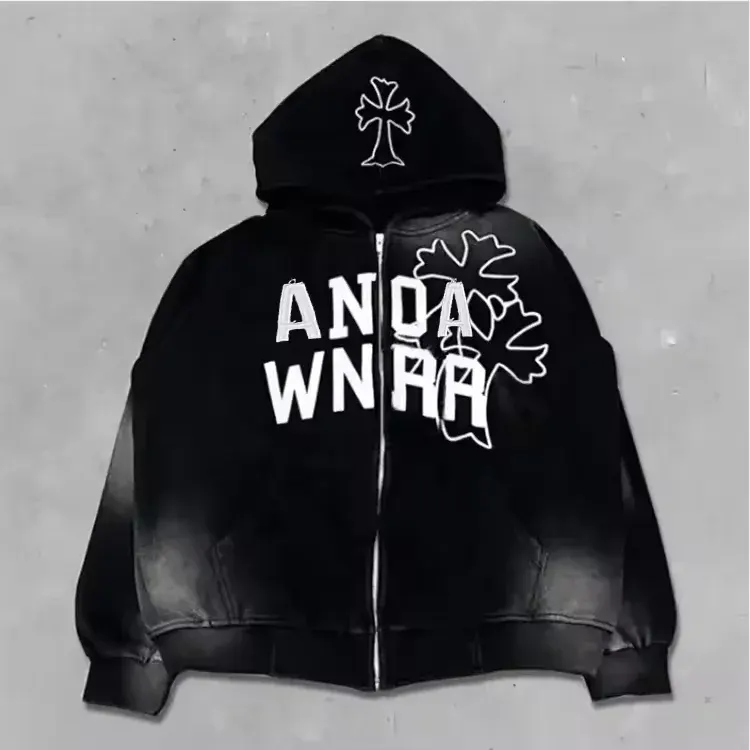
Quantities apply to the listed development route. Confirm the selected fabric, color, artwork and size split with your project quotation.
Make the right development choices
Decorated blanks or low-MOQ cut and sew?
The right starting route depends on what must be unique to your brand. Compare the development work before deciding how many styles to launch.
| Decorate an existing blank | Useful when an existing garment already has the fit, fabric and color you need. Changes are limited by that base garment. Choose custom cut and sew when that base garment cannot match your fit or material requirements. |
|---|---|
| Develop from a garment reference | Send front, back and detail photos, or a physical garment, and list what to keep or change. Free basic brief guidance can help you organize the idea; confirm pattern, grading and sampling costs separately. |
| Build a custom cut-and-sew style | Choose this when your own proportions, fabric, construction or trims are essential. Plan development and sample approval before bulk, and check the minimum for each style/color rather than dividing one total across many designs. |
Build the specification
Small-batch cut-and-sew specifications for your first collection
These are proposed sourcing and development directions. The approved sample and written quotation define the accepted material, construction, tolerances and schedule.
| Fabric composition | Start with a suitable available material or a confirmed sourcing route. Cotton jersey, French terry and other directions are matched to the garment and budget. |
|---|---|
| GSM weight range | T-shirt direction: 240–320 GSM; hoodie direction: 400–550 GSM. Select weight together with fit, material availability and the intended season. Other garments require their own material-specific weight; one collection does not need one universal GSM. |
| Fit options | Use a reference photo, physical garment or sketch to define the base size, silhouette and required changes. |
| Quantity per style, color & size | 100 garments split into 2 styles and 2 colors creates 4 groups of 25 before the size split. This is a planning example, not confirmation that every 25-piece group is feasible. Send the quantity for each group so fabric, decoration and trim minimums can be reviewed separately. |
| Decoration crafts | Focused print/embroidery, labels and packaging; reduce early variations to make setup and approval easier to control. |
| Shrinkage tolerance | Agree the material-specific tolerance and care method; record the approved sample measurements before bulk release. |
| MOQ per style / color | 20–100-piece selected-route program. Splits by style, color and size, plus material and trim conditions, determine the accepted minimum. |
| Sample lead time | 7–10-day target after the technical scope, materials and artwork are confirmed. Additional pattern or trial work can change the timing. |
| Bulk lead time | 15–22-day target after sample approval and confirmed production inputs; actual schedule agreed in the quotation. |
| Shipping | For a first drop shipping to the US, include the destination ZIP code and target in-hand date. Compare development and sample costs, bulk production, labels/packing and freight as separate lines. Confirm delivery responsibilities and sample-fee credit conditions in writing before committing. |
Material · construction · finish
Details to review on your sample
Focus the first drop
Choose one main silhouette and a controlled color range. List the essential details first, then review optional variations against material and setup requirements.

Turn references into an artwork brief
Mark the front, back, sleeve or neck positions you need. Reference photos and logos are enough to start free basic guidance on the first brief.

Approve the sample before scaling
Check the selected fabric, fit, finishing, artwork and labels together. Keep the approved measurements and specification for production and later reorders.
What to approve before bulk production
- Reference photos/sketch and a list of intended changes
- One base size, material direction and essential branding
- Realistic units per style, color and size
- Sample approval record, written credit terms and launch plan
Prepare a clearer small-batch collection sample brief
Separate the quantity by style, color and size before comparing an order quotation. Download the editable worksheet, add your requirements, then email it to sales@yinuoapparel.com or add a shareable file link to your inquiry.
MOQ & cost planning
Compare the full cost of your first clothing drop
A 50-piece first run could be one design and color across four sizes. Dividing the same 50 pieces into five designs creates five smaller briefs, each needing a feasibility and setup review. Use your own audience and sizing plan to choose the final split.
Before bulk
Pattern and grading scope, sample cost, revisions and artwork preparation.
Per garment
Fabric, cut-and-sew construction, decoration, labels and packaging.
To your destination
Freight, delivery scope and destination requirements, plus the written sample-credit conditions.
Request an itemized quotation with the garment cost, development/setup, decoration, packing and freight shown separately where applicable. Sample-fee credit terms are confirmed in writing.
See what to include in your manufacturing cost comparison →Choose your next step
Review materials or develop your own sample
A swatch pack helps you compare materials and workmanship. A custom development sample checks your own garment specification; the two serve different decisions.
Compare materials first
Review the available swatches and sample-pack contents, then confirm cost and courier delivery. A pack does not approve your custom fit, artwork or finished wash.
See sample-pack contentsDevelop your first style
Start with one main silhouette and a clear list of essential details. Request a sample scope, development costs and the exact style/color minimum before planning the full collection.
Request my sample planStart with a short message
Not sure which specification to choose? Open the product-specific brief in WhatsApp, fill in what you know and attach a reference in your chat. The message is yours to review before sending.
Open my WhatsApp briefBefore paying for development, confirm sample scope, cost, revision allowance and courier charges. After approval, confirm the bulk specification, production schedule and sample-fee credit conditions in writing.
Start with what you know
Get a sample plan and factory quotation
Send a reference photo or tech pack, quantity by style and color, and your destination. Add your target date if you have one. We review material options, sampling scope and the production quotation with you.
No account or payment required to inquire. Your current manufacturing program is included in the form.
Buyer questions about Startup Small-Batch Program
Is basic tech-pack guidance free?
Yes. Basic guidance for organizing your reference photos, physical sample or sketch into the initial brief is free. Pattern creation, grading, repeated development or a complete technical package may involve additional work; confirm that scope before sampling.
Can the sample fee be credited toward my bulk order?
Yes, sample-fee credit is available for a qualifying bulk order. The eligible cost and applicable conditions are confirmed in the written quotation; minimum spend or time limits are not assumed until those terms are agreed.
Can 20 pieces be split across many colors and designs?
The split must be reviewed. Fabric, dyeing, decoration and trim setup can each have their own minimums, so a small total quantity does not automatically support unlimited variants.
Can I start a clothing brand without a tech pack?
Yes. Send reference photos, sketches or a physical garment with a quantity and size breakdown. Free basic guidance helps organize the first brief. Pattern development, grading, sampling cost and sample-fee credit conditions are confirmed before work begins.
Should my first clothing drop use blanks or custom cut and sew?
If you mainly need graphics on an existing fit, compare a suitable blank-based route. If your fit, fabric weight, collar, hood or construction is central to the brand, discuss custom cut and sew. Request the development cost and MOQ for the specific route before deciding.
What should a startup send to get a useful clothing quotation?
Send a front/back reference, the details you want changed, garment type, approximate quantity per style and color, artwork and destination. Include a target date if you have one. You can start without a formal tech pack; basic guidance is free and additional development scope is quoted.