

Confirm usable fabric width by defining which edges are excluded, checking representative bulk rolls in an agreed material condition, and matching the result to the width used in the cutting marker. Keep nominal width, measured total width and usable width separate in the specification. If the available cutting area is narrower than the marker, resolve the allocation or layout before releasing the affected fabric for cutting.
A fabric quote may state “160 cm wide,” yet leave unanswered whether that figure includes the edges, describes an open-width material or refers to a nominal target. For apparel buyers, the important question is how much continuous width the approved pattern layout can actually use. This affects the material estimate and cutting plan, not just the wording on a swatch card.
Which fabric width is the supplier reporting?
For your order, define usable fabric width as the continuous area available for the approved cutting layout after agreed edge exclusions. Ask the supplier to explain its own terms. “Finished width” identifies a material state, but does not by itself tell you whether every part of that width is suitable for garment panels.
| Width field | What to clarify | How the buyer uses it |
|---|---|---|
| Nominal width | The stated target and its agreed tolerance. | For sourcing discussion, not as the only bulk-cutting evidence. |
| Measured total width | Measurement condition and whether selvages or other edges are included. | To compare the supplied material with the stated specification. |
| Usable or cuttable width | The included cutting area and excluded edge zones. | To establish the available area for the garment layout. |
| Marker width | The width entered in the actual pattern layout. | To verify that the layout fits the allocated material. |
The public scope of ASTM D3774-18(2024) covers width measurements for woven or knitted fabrics, usable width or both, with full-roll and short-specimen options. It also states that measurements include selvages unless otherwise specified. This is why a report headed simply “width” needs its basis explained.
For formal testing, have the laboratory confirm the applicable method, edition and reporting scope. Do not label an informal warehouse check as an ASTM result without evidence that the procedure was followed. Keep width within the wider fabric-selection specification, alongside construction, finishing and other properties that affect the garment.
Define the edge exclusions before approving consumption
Ask which edge areas the cutting team intends to exclude and why. Depending on the material, the discussion may concern woven selvages, curling knit edges, edge marks or another condition identified during inspection. Record the left and right exclusions separately when they differ. Do not apply one universal deduction to every fabric.
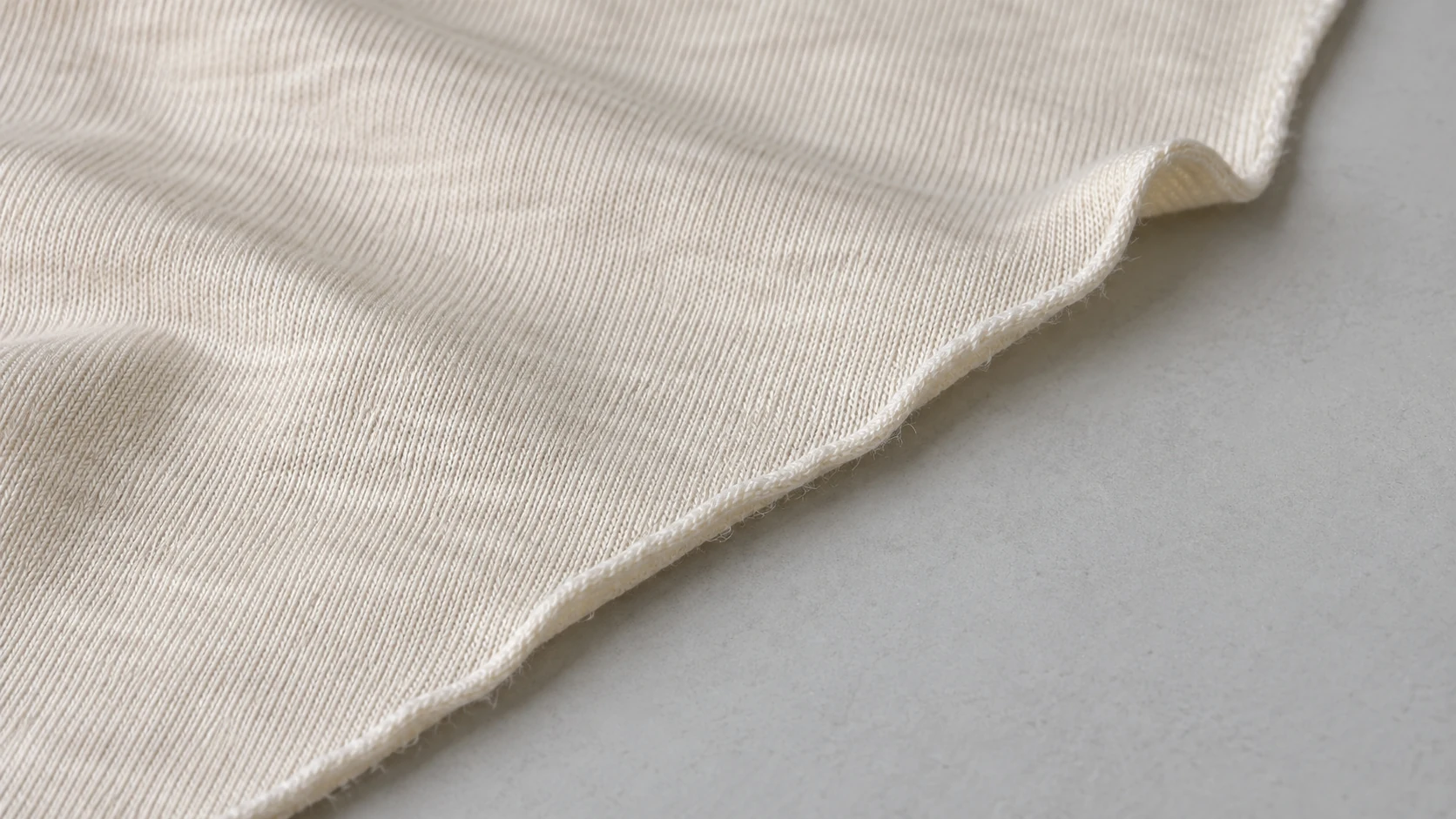
Use marked photographs or a boundary sketch to make the agreement understandable. An edge photo can document the condition, but it cannot establish the full usable width on its own. The recorded measurement and the defined exclusion zones need to accompany it.
Hypothetical example: a measured total width of 160 cm, with agreed exclusions of 2 cm on one side and 3 cm on the other, leaves 155 cm of usable width. A 156 cm marker does not fit that agreed area. These numbers illustrate the arithmetic only; they are not recommended allowances or a production result.
Keep the measurement basis consistent
Identify the fabric article, finishing stage and delivery form. If the fabric is tubular or supplied folded, state what the reported width describes. Do not silently treat a lay-flat tube measurement as the open-width cutting value. Confirm the intended opening or slitting route and measure the material in the condition relevant to that route.
For a stretch-sensitive material, agree how it is prepared and handled during measurement. Pulling the fabric sideways to reach the specified number does not establish the width available under the intended cutting conditions. Ask the supplier or laboratory to define the preparation, handling and measurement locations; avoid inventing a universal relaxation time.
Attach units to every value and use a consistent rounding rule. Preserve the original result if a conversion is added. A short sample can support a development decision, but its result should not be presented as evidence for every position on every bulk roll.
Connect roll evidence to the cutting marker
Request width records tied to identifiable rolls or lots, with the agreed coverage of checks and the observed variation. Include the narrow readings relevant to the cutting allocation, not just a single average. The purchasing acceptance tolerance and the marker’s required width are related decisions, but they are not automatically the same number.
Gerber’s official marker-information documentation separates marker width, length and utilization. Ask for those fields in the consumption evidence, together with the pattern revision, size mix and layout restrictions. This is a documentation example, not a requirement to use a particular software package.
If usable widths vary, ask the cutting planner whether different width groups require different layouts. Gerber’s AccuPlan workflow guidance includes multiple fabric widths in utilization planning. The buyer’s task is to ensure the approved plan reflects the material being allocated, rather than assuming one marker fits every roll.
Keep width grouping compatible with the approved fabric shade bands. A roll that fits a marker dimension may still belong to a different shade group. The final allocation should preserve both decisions, with traceable roll identities.
When width changes, reopen the estimate—not the garment fit
A narrower cutting area may require the planner to rearrange pieces and recalculate consumption. It does not justify shrinking the approved garment pattern simply to keep the old layout. Any proposed pattern change needs its own fit and specification approval.
For a quote comparison, ask which usable fabric width and size ratio supported each material estimate. Do not assume that a percentage change in width produces the same percentage change in fabric consumption: the actual arrangement of pattern pieces must be reviewed. Include this assumption in your custom-clothing cost discussion rather than comparing unit prices without their material basis.
Keep marker consumption separate from the complete purchasing allowance. Ask the supplier to identify how roll ends, defects, splices or other agreed losses are accounted for. Do not let a high marker-utilization figure stand in for a complete explanation of the fabric quantity requested.
Record usable fabric width before cutting release
Add the agreed width basis to the fabric entry in the apparel bill of materials and link the roll evidence to the cutting plan. Keep the specification, measurements and selected marker consistent. If a narrower roll is outside the approved allocation, request a revised plan or another agreed disposition before it is cut.
- Fabric article, lot or roll IDs, finishing stage and delivery form.
- Nominal and measured total width, usable width and units.
- Measurement procedure, preparation and coverage of checks.
- Excluded edges, acceptance criteria and any width-group allocation.
- Marker identity, width, pattern revision, size mix and consumption basis.
- Responsible reviewer, approval date and changes requiring another review.
For a usable fabric width discussion with Yinuo Apparel, send the fabric specification, delivery form, available roll-width records, edge-condition photos, garment pattern or tech pack and order size breakdown. Include the current consumption estimate if available so the team can discuss the evidence needed to align sourcing and cutting for your project.