

Choose garment rework when a controlled correction can restore the agreed specification without creating another defect. Choose a remake when the affected garments cannot reliably meet that specification after correction. Keep the lot on hold when the cause, affected quantity or verification method is still unclear.
A failed inspection creates two decisions: how to recover acceptable goods, and what evidence will authorize shipment. A promise to “fix everything” answers neither. For brand sourcing teams, the useful comparison is the cost and time to obtain a verified, usable quantity—not the repair price alone.
First define what failed and which garments are affected
Start with the inspection report, the approved product revision and the affected lot identifiers. Record the defect location, size, color, material batch and carton references where available. Separate a confirmed count from an estimate: defects found in an inspection sample are not a complete inventory of defective garments in the shipment.
Do not assume that correcting only the pieces photographed by the inspector resolves the lot. Establish how the remaining goods will be screened and kept separate. The distinction between lot acceptance sampling and a 100% garment check matters here: a sorting operation and a shipment acceptance decision have different jobs.
Defect severity also differs from repairability. A serious workmanship defect may be correctable, while a small visible mark may remain unacceptable on the intended product. Use the agreed critical, major and minor defect definitions; do not downgrade a defect simply because a replacement would be expensive.
Garment rework vs remake: three decision routes
| What the evidence shows | Route to evaluate | Evidence needed before release |
|---|---|---|
| A local correction can meet the original requirement without damaging adjacent areas. | Trial the rework, then correct the identified population. | Accepted trial, traceable completion records and agreed reinspection. |
| Correction leaves unacceptable damage, fit or appearance, or cannot restore the specified material. | Remake the affected garments using a corrected input or process. | Approved replacement basis, quantity reconciliation and verification of replacement goods. |
| The cause, affected population or corrective method remains uncertain. | Continue the hold and investigate. | Enough evidence to choose a controlled recovery route. |
“Remake” here means replacing affected finished garments. Replacing one panel within an existing garment remains a rework operation and needs its own trial. Neither route means automatically scrapping or reproducing the entire order.
What should a rework trial prove?
A trial should prove both that the original defect is corrected and that the correction does not introduce another unacceptable condition. Reattaching a button, for example, calls for checking the attachment and surrounding fabric, not merely confirming that a button is present.
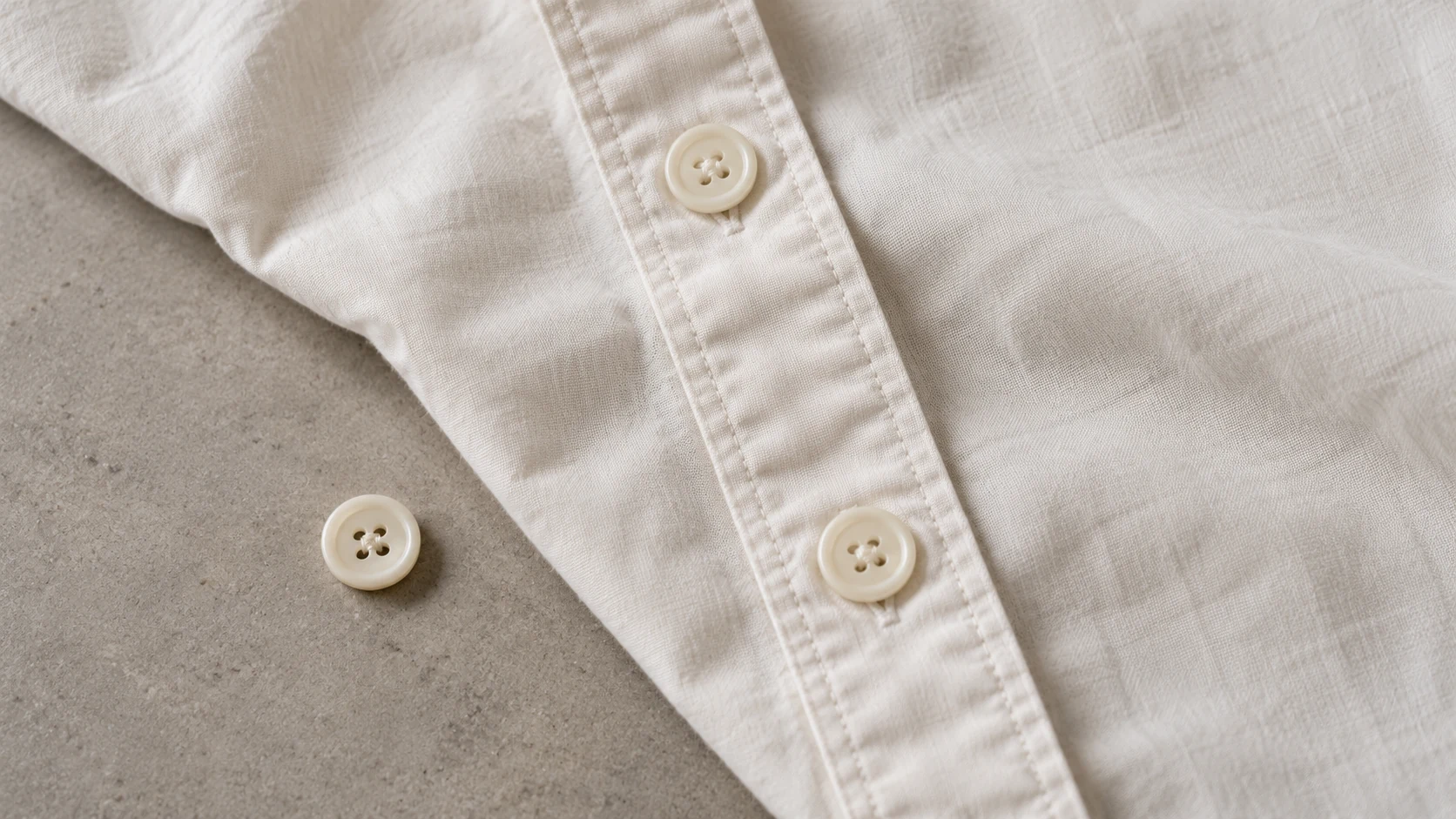
For a seam correction, review the disturbed area for visible stitch marks, distortion and any change in garment dimensions. Compare against the identified approved reference sample and written specification. Where dimensions are involved, retain the agreed measurement method and tolerances throughout the trial and verification.
Choose trial garments that represent relevant variations in the problem, rather than only the easiest piece to repair. Record the method, parts used, operator instructions and checks. Agree what would stop the operation: recurring damage, inconsistent results or a new defect should trigger review before more garments are altered.
Intertek describes garment inline inspection as including work with factories on corrective action plans based on inspection findings. That supports connecting the action to the reported problem; it does not establish that a particular repair will succeed. See its textile and apparel inspection scope.
When is a remake the more credible option?
Evaluate a remake when the trial cannot restore the agreed product. Examples include a correction that leaves unacceptable visible damage, insufficient fabric allowance to reach the required dimensions, or an incorrect material that a sewing repair cannot change. These are decision examples, not automatic rules for every garment.
A remake needs a corrected production basis. Reusing the same unsuitable material or unresolved process can reproduce the failure. Confirm replacement material availability, approved construction, size coverage and the checks that address the original cause before starting again.
Where safety or regulatory conformity is involved, keep affected goods on hold until the applicable requirements and appropriate verification are resolved. A commercial discount or an appearance-only recheck does not establish conformity.
Compare total recovery cost and a verified delivery date
Request comparable scopes for sorting, trial work, repairs or replacement, testing where needed, reinspection, repacking and additional transport. Identify who pays each item separately from who performs it. Do not assume a second inspection is included: QIMA’s conditions of service, section 2.4, state that repeating a service is not automatically free. Confirm your own provider’s terms.
Illustrative calculation—not a Yinuo quotation: suppose sorting has confirmed 120 affected shirts. A hypothetical rework proposal charges $2 per shirt, plus $180 for verification and $60 for repacking. Its stated recovery cost is (120 × $2) + $180 + $60 = $480. A replacement proposal at $7 per shirt with the same two additional charges totals $1,080.
The $600 difference favors rework only if its trial and final verification succeed. The example excludes extra freight, duties, disposal and commercial losses; it is not a complete landed-cost estimate. If those items differ, add them to the appropriate route. Avoid assigning an invented “repair success rate” to make one option appear cheaper.
For timing, compare the date acceptable goods can be released. Include trial approval, material availability, execution, verification and repacking. “Repair finished Friday” is not a usable shipping commitment if the necessary reinspection or test result is still outstanding.
Close the recovery with quantities and release evidence
Agree the reinspection scope before the work begins. It should cover the original defect, relevant side effects of the correction and the remaining shipment requirements. A passed trial authorizes only the agreed next step; it does not demonstrate that every repaired unit or the final shipment is acceptable.
- Identify the held lot, confirmed affected quantity and approved corrective method.
- Reconcile units repaired, remade, still held and otherwise disposed of under an agreed instruction.
- Attach verification results and name the person authorized to release the goods.
- Update the packing list and carton records to match the accepted size, color and quantity allocation.
If only part of the order is released, document that subset explicitly and keep unresolved goods separate. Missing replacement sizes can still prevent a commercially usable delivery even when the total garment count looks sufficient.
For a garment rework vs remake discussion with Yinuo Apparel, send the inspection findings and approved specification, affected quantities by size and color, trial evidence if available, and the required delivery date. Those inputs support a scoped decision; photographs alone cannot establish the condition of an entire lot.